Main menu

Leadership presence often begins long before a leader opens their mouth. In many professional settings, people size up authority within seconds. They read posture, eye contact, and the invisible signals the body broadcasts without permission.
That is where the idea of the power pose becomes fascinating. It is not just theatrical body language designed to impress others. It works more like flipping a switch inside the brain. Within minutes, posture can shift emotional state, sharpen focus, and prepare the mind for demanding interactions.
Think of posture as the body’s version of adjusting the thermostat. A slight change in stance can recalibrate the brain's internal climate. When used deliberately, it becomes a quiet strategic tool that strengthens influence and improves performance in complex negotiations.
The Chemistry of Power: How the Body Alters Brain Hormones
The nervous system translates physical posture into chemical messages with remarkable speed. When someone adopts an open, expansive stance, the brain interprets that physical signal as a sign of safety and readiness.
In response, it sends instructions to the endocrine system to release hormones linked to calm control and assertiveness.
This biological loop matters because it offers professionals a rapid reset button. Instead of wrestling with stress for hours, the body can restore balance in a matter of minutes. Anxiety softens, mental fog clears, and decision-making becomes sharper and more deliberate.
Testosterone Up, Cortisol Down: The Hormonal Sweet Spot of Leadership
When people intentionally practice expansive body language, something powerful happens inside the body. Testosterone, often associated with confidence and drive, rises. At the same time, cortisol, the stress hormone, begins to drop.
Research by Amy Cuddy at Harvard University describes this hormonal pattern as a “power profile.” It creates emotional steadiness and a stronger psychological presence.
That internal stability matters most in moments when pressure peaks. Negotiations, high-stakes presentations, and tense leadership conversations all reward the same quality. Calm authority. When the body stabilizes first, the mind follows.
How Open Posture Changes the Feeling of Control
Expansive body language has another hidden effect. It quiets the brain’s alarm centers that fuel anxiety and defensive thinking.
Standing tall or occupying more physical space signals safety to the nervous system. Once the brain stops preparing for a threat, cognitive resources become available for higher-level thinking.
Experiments conducted at Harvard found that holding a power pose for just two minutes can increase dominance-related chemical signals by nearly 20 percent while reducing stress hormones by roughly 25 percent.
The result is subtle yet powerful. Leaders who prepare this way often walk into difficult conversations with a clearer mind and a steadier voice. Persuasion becomes easier because confidence is no longer forced. It is biologically supported.
From Posture to Performance: Why the Body Shapes Business Decisions
Body language does more than change how leaders feel. It also influences how they think.
Physical posture affects brain regions responsible for evaluating risk and reward. When the body feels open and grounded, the brain processes uncertainty with greater clarity.
People who sit in contracted or defensive postures often experience the opposite effect. Stress hormones dominate, narrowing attention and encouraging overly cautious decisions.
In contrast, a confident stance lays the psychological groundwork for decisive action. Before the first number is discussed or the first proposal is presented, the body has already prepared the mind for strategic thinking.
Why Confident Posture Encourages Smart Risk Taking?
The willingness to take calculated risks is closely tied to a sense of personal control. Power poses strengthen that feeling by stabilizing the brain’s chemical environment.
Behavioral studies in financial decision making suggest an interesting pattern. Investors who maintain open body language tend to make more objective judgments and evaluate opportunities more calmly.
Some studies indicate their willingness to engage in calculated risk can rise by as much as 86 percent compared with individuals who remain physically closed off.
In other words, posture can quietly influence how boldly someone moves when opportunity knocks.
Emotional Stability in the Heat of Negotiation
Negotiation rooms are emotional pressure cookers. The smallest psychological advantage can determine whether a deal survives or collapses.
Power poses help leaders maintain composure under this pressure. The posture acts like an internal anchor, preventing emotional reactions from hijacking strategic thinking.
Observers of negotiation teams often notice the same pattern. Leaders who sit upright with steady eye contact send a subtle message across the table. They appear difficult to rattle.
That signal alone can shift the tone of the conversation. Calm confidence slows the tempo of the negotiation and reinforces credibility.
2 Power Poses Every Leader Should Practice
Turning these insights into real results requires practice. The goal is not to perform with confidence in public. The goal is to quietly prime your internal chemistry before stepping into high-stakes situations.
Here are two simple poses that can strengthen leadership presence and influence.
1. The Standing Power Pose (Hands on Hips)
This classic posture is one of the most effective ways to activate confidence-related hormones.
Stand with your feet slightly apart and place your hands on your hips. Lift the chest and relax the shoulders. The body instantly communicates readiness and authority to the brain.
Many professionals use this pose before important presentations. The effect often shows up in subtle ways. A steadier voice. A calmer breathing rhythm. A presence that captures attention the moment they enter the room.
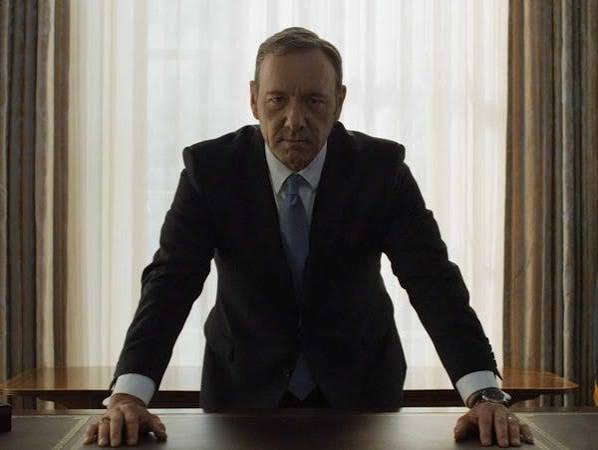
2. The “CEO Pose”
Some refer to this as the “CEO pose” because it reflects traditional leadership body language.
Sit back comfortably and allow your arms to rest openly on the sides of the chair. The body occupies space without tension.
This posture helps reduce cortisol levels and fosters mental clarity before strategic discussions. Practicing it privately in the office can release built-up pressure and replace it with quiet certainty.
When Should You Practice These Poses?
Power poses work best behind the curtain.
The objective is not to dominate the room with exaggerated gestures. Instead, the goal is to recalibrate your internal chemistry before stepping into the spotlight.
Two minutes in a private space such as an elevator, hallway, or closed office can be enough. By the time the meeting begins, confidence feels natural rather than forced.
Others notice the presence without ever seeing the preparation.
When Confidence Crosses the Line
Power becomes counterproductive when it drifts into arrogance. A skilled leader understands that authority should create trust, not distance. Overly aggressive displays of dominance can erode psychological safety inside a team.
Power poses are meant to regulate the internal state. They are not tools for intimidation.
Emotional intelligence acts as the guardrail that keeps strength aligned with humility.
Leadership Presence vs. Invading Personal Space
Leadership presence comes from upright posture and composed movement that signals reliability. Power becomes arrogance when it crosses into aggressive intrusion into others’ personal space.
Studies in organizational communication show that the most influential leaders combine confident body language with respect for others’ boundaries. This balance ensures that leadership body language inspires rather than intimidates.
Balancing Power Poses with Empathy to Build Trust
Leadership influence does not run on hormones alone. Long-term credibility comes from blending authority with genuine empathy.
Recent research suggests that open listening gestures, such as leaning slightly forward when someone speaks, soften the intensity of power poses and make leaders appear more approachable.
The combination creates a healthy dynamic inside teams. People see a leader who is strong enough to guide them and human enough to value their perspective.

The Quiet Laboratory Inside Your Body
Every professional carries a small biochemical laboratory within their own body. Posture acts like the control panel.
A simple shift in stance can influence hormone levels, sharpen thinking, and shape the tone of important business interactions.
When leaders make body language part of their preparation routine, they often discover something surprising. Excellence sometimes begins with a physical adjustment so small that nobody else notices.
Stand tall. Take two minutes. Let your posture set the stage for clear decisions, meaningful influence, and a deal that closes with confidence.
FAQs
1. Should I perform power poses in front of people?
It’s best to keep these poses private. Use them in your office, restroom, or any quiet space before a meeting. This allows your brain to recalibrate internally so that confidence shows naturally when you enter the room.
2. Does this technique work for everyone?
Yes. They tap into basic human physiological responses. That said, regular practice strengthens the effect, making confidence more consistent and noticeable.
3. What if I genuinely feel afraid?
Fear is normal, but posture can trick the brain into action. Even when you feel nervous, adopting an expansive stance can stimulate confidence-related hormones, giving you a mental boost that aligns your body and mind.
This article was prepared by trainer Adnan Al Qadi, certified coach from Wolfa Academy.